Child Development and Citrus College
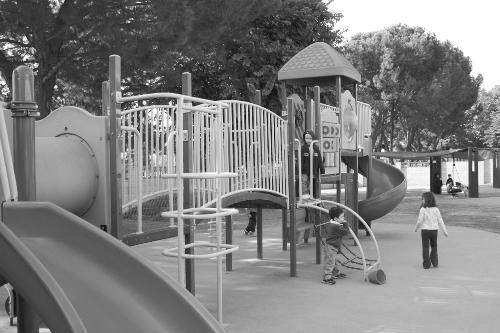
The Citrus College Child Development Center opened on October 16, 1978, with an enrollment of 38 preschool children. Constructed at the center of campus for convenient access to college services, the facility quickly became a vital part of both the academic community and the surrounding region. Almost immediately after opening, the need for expanded services became clear. Within the first year, full-cost child enrollment, infant care and placement for the children of faculty and staff were added to meet growing demand.
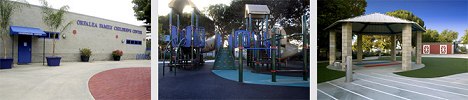
Established to serve both the community and the college's academic mission, the center offered a comprehensive developmental program for children six months through 10 years of age. Each child participated in a carefully designed, stimulating curriculum tailored to support individual growth and learning needs.
The center was housed in a spacious, purpose-built facility capable of serving up to 245 children. It functioned not only as a childcare and early education program but also as a laboratory and observation site for students enrolled in child development, psychology and related courses. The facility provided an invaluable hands-on training environment for future preschool teachers and child care professionals.
The Infant Center accommodated up to 48 children ranging in age from six months to 36 months, providing a nurturing and developmentally appropriate setting for the youngest participants. The School-Age Center, which operated into the evening hours, extended services to children ages five through 10. Student-parents whose children were enrolled in the program were encouraged to take part in center activities and workshops, reinforcing the college's philosophy of collaborative family engagement. Fees were determined on a sliding scale based on family income and the availability of funding, ensuring access for a wide range of families.
The academic legacy of the Child Development Center lives on through Citrus College's continuing child development program, which remains dedicated to preparing early childhood educators through hands-on learning and community engagement.
CITRUS COLLEGE CHILD DEVELOPMENT CENTER TIMELINE · 1978–2012
1978 – The Child Development Center opened on October 16 with 38 preschool children. Located in the heart of campus for convenient access to college services, the center quickly became a vital part of the Citrus College community.
1981 – Parent education became an integral part of the center's mission and the first parent educator was hired.
1986 – The California Department of Education awarded a $97,680 grant to support child-care services for low-income student-parents, enabling many to attend Citrus College for the first time. Also in 1986, the foster/kinship care education program began, offering education and support services to foster parents, relative caregivers, social workers and group home staff.
1990 – The center earned accreditation from the National Association for the Education of Young Children (NAEYC), reflecting Citrus College's commitment to quality early childhood education and professional excellence.
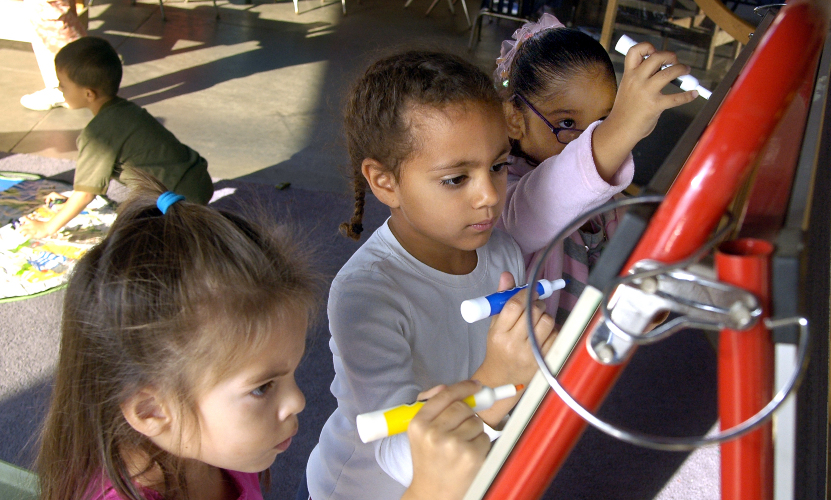
1991 – To address long waiting lists, the college administration included plans for a new Infant Center in its five-year development plan. Funds were awarded in 1989, 1990 and 1991 by the Chancellor's Office. Construction for the new facility began that year.
1992 – The Infant Center was completed and opened, expanding services for children ages six months to three years. That same year, the mentor teacher program was introduced to provide advanced training for experienced teachers who wished to mentor beginning educators, addressing the need for professional growth and recognition within the field.
1993 – The independent living programs were established to provide emancipation training for foster youth, probation youth and relative care youth, helping them prepare for independent adulthood.
1996 – As families required longer hours of care to balance work and education, the evening care program was introduced for school-age children ages five through ten.
1998 – The Early Childhood Career Ladder (ECCL) program was launched. This intensive weekday program combined paid internships, specialized workshops and supervised study, enabling students to earn a California Child Development Permit. ECCL offered CalWORKs participants an opportunity to gain education and experience to become early childhood educators.
1999 – The Infant Center was awarded Program for Infant/Toddler Caregivers (PITC) Model Demonstration Site status by the California Department of Education, receiving the highest final score in the state.
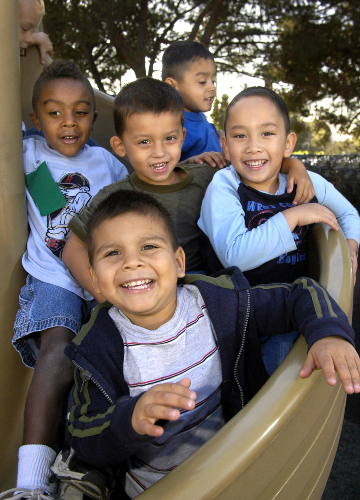
2001 – In recognition of the Child Development Center's outstanding statewide reputation, the Orfalea Family Foundation donated a $1 million endowment — the largest single gift in Citrus College history at the time.
2004 – The center's main playground underwent a major renovation, featuring new equipment, ground surfacing, a gazebo, storage sheds and landscaping. The project was a collaborative effort among CDC staff, contractors and the college's facilities and grounds personnel.
2006 – Remodeling transformed the facility from an open environment to a closed classroom setting. The new design supported expanded hours of care, including "before school" sessions from 6:30 a.m. to 8 a.m. and "after school" sessions from 4 p.m. to 6:30 p.m., with core classroom hours from 8 a.m. to 4 p.m.
2007 – The foster youth program partnered with the Chancellor's Office through the Foundation for California Community Colleges, significantly expanding services and creating a resource center to meet the needs of both college-age and high school-age foster youth.
2011–2012 – The center celebrated 33 years of service to students, staff and the community. It continued providing quality, nurturing care until mid-June 2012 when services were suspended.
CHILD DEVELOPMENT ACADEMIC PROGRAM
Child development has long been an integral part of Citrus College's commitment to academic excellence and community service. Founding member and center director Diane Hinds, together with founding members and faculty Sally Sanger and Diane Brown, played pivotal roles in developing Citrus College's early child development curriculum and in establishing the certificate programs that have prepared generations of early childhood professionals. Many of these certificates, first introduced in the 1980s, continue to serve as the foundation for the college's early childhood education pathways.
During the 1990s, the creation and statewide adoption of the Child Development Permit Matrix further strengthened the program's alignment with California's professional standards, ensuring that Citrus graduates remain well prepared to serve children, families and communities across the state. The program continues to honor the spirit of the original Child Development Center by combining theory, practice and service to the community.
To learn how Citrus College prepares future educators through its child development program, visit the Citrus College Catalog website for course information, curriculum details and certificate and degree options.